When a boiler starts short-cycling, radiators heat unevenly, or winter gas bills climb faster than the temperature drops, homeowners usually ask the same question: what are the best hydronic boiler upgrade options for this house? The right answer is rarely a straight swap. A good upgrade should match how your home loses heat, how your system is piped, and whether the current boiler is actually beyond repair.
At Hydronix, hydronic systems are all we do, and that matters here. Plenty of older boilers can be repaired and kept running well with the right parts and proper diagnostics. But when the boiler is inefficient, unreliable or undersized for the home, upgrading can cut running costs, improve comfort and reduce the risk of winter breakdowns.
The best hydronic boiler upgrade options start with the system, not the box
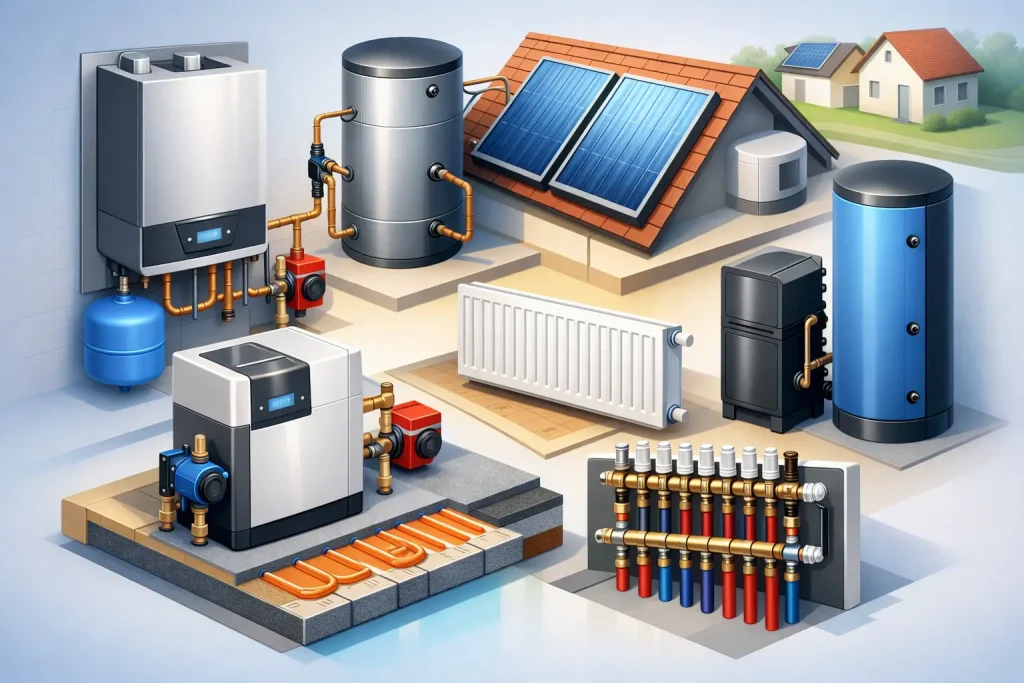
Boiler upgrades are often sold as if the appliance alone does all the work. It does not. A premium condensing boiler connected to a poorly balanced system will still deliver poor results. That is why the first step is checking the wider hydronic setup – radiator sizing, pump performance, controls, water quality, zoning and pipework condition.
In practical terms, that means two homes with the same old boiler may need completely different solutions. One may suit a straightforward condensing boiler replacement with minor controls upgrades. Another may need a low-loss header, improved zoning and a chemical clean to get the benefit of a new unit. Skipping that assessment is where expensive disappointment starts.
Condensing boilers are the leading upgrade for most homes
For many Melbourne homes with ageing non-condensing boilers, a modern condensing boiler is the strongest upgrade path. These boilers recover more heat from combustion gases, which improves efficiency and usually lowers gas consumption. They also offer better modulation, meaning they can ramp output up and down more precisely instead of repeatedly blasting at full power.
That matters for comfort as much as it does for bills. A boiler that modulates well tends to maintain a steadier indoor temperature, with fewer hot-cold swings. It also places less strain on components than an oversized or poorly controlled unit that constantly starts and stops.
The trade-off is that condensing boilers are less forgiving of poor installation. They need correct sizing, proper condensate drainage, suitable return water temperatures and commissioning by someone who understands hydronic performance, not just basic plumbing. Done properly, they are an excellent long-term upgrade. Done badly, they can become an expensive service call generator.
When a condensing boiler makes the most sense
This option generally suits homes with older gas boilers, regular winter use and a system that is otherwise worth keeping. If your radiators, pipework and general layout are sound, replacing the boiler while improving controls can be far more cost-effective than rebuilding the entire system.
It is especially effective where the existing boiler is over 12 to 15 years old, parts are becoming difficult to source, or efficiency has clearly dropped away.
Combi, system or heat-only – choosing the right boiler format
One of the most important upgrade decisions is not brand, but boiler type. The best hydronic boiler upgrade options depend heavily on whether the boiler serves heating only, works with an indirect hot water cylinder, or is expected to do both.
A heat-only boiler is often the right fit in larger homes with a dedicated hydronic setup and existing hot water arrangement that already works well. It is simple, dependable and suits properties with higher heating demand.
A system boiler can be a strong choice where stored hot water is part of the design and internal components can be integrated neatly. It can reduce external clutter and simplify some installations.
A combi boiler is more compact and can suit smaller homes, but it is not automatically the right answer. In homes with multiple bathrooms or higher simultaneous hot water demand, a combi may be convenient on paper but disappointing in real use. Space-saving matters, but so does performance when two showers and the heating are running in the middle of winter.
Controls upgrades often deliver more than homeowners expect
A boiler replacement without controls improvements is a missed opportunity. In many homes, older thermostats and basic on-off operation are a major reason for poor comfort and waste. Modern controls can sharpen response times, improve zoning and reduce unnecessary firing.
This might include better room thermostats, outdoor temperature compensation, smart zoning or more precise scheduling. The aim is not gadgetry for its own sake. It is to make sure the boiler only produces the heat the home actually needs, when it needs it.
Weather compensation and zoning
Weather compensation is particularly useful with condensing boilers because it adjusts water temperature according to outside conditions. On milder days, the system runs at lower temperatures, which supports efficiency and steadier heating.
Zoning is equally valuable in larger homes or homes with varied usage patterns. Heating the whole house to the same level all day is rarely necessary. Good zoning lets you direct heat where it is needed and avoid wasting energy in unused areas.
System cleaning and water quality protection are not optional extras
If you are fitting a new boiler onto an existing hydronic system, water quality has to be taken seriously. Sludge, corrosion debris and poor inhibitor levels can shorten the life of a new appliance and reduce performance almost immediately.
That is why a proper upgrade often includes system flushing, filtration and chemical treatment. It protects the boiler, helps pumps and valves operate correctly and improves heat transfer through the radiators. Homeowners sometimes see these steps as add-ons, but they are part of doing the job properly.
The same applies to magnetic filters and air separation where suitable. They are small components compared with the boiler itself, but they can make a meaningful difference to longevity and reliability.
Do you need radiator or pipework changes as well?
Sometimes yes, sometimes no. If the existing radiators are correctly sized and the pipework is in good condition, there may be no reason to replace them. This is where a repair-first, evidence-based approach protects the homeowner from unnecessary spending.
That said, certain upgrades do benefit from emitter changes. Condensing boilers perform best when return temperatures are low enough to allow condensing mode more often. In some homes, larger radiators or better balancing help achieve that. If particular rooms have always been underheated, this is the time to address it.
Pipework changes may also be needed where the original layout causes flow issues, noise or chronic imbalance. Not every system needs major alteration, but pretending every old system is upgrade-ready can lead to poor results.
What to check before choosing among the best hydronic boiler upgrade options
Before you approve any upgrade, ask four practical questions. Is the existing boiler definitely beyond economical repair? Is the new boiler correctly sized to the home’s heat demand? What system improvements are being included to protect performance? And who will commission and support it after installation?
These questions matter because a cheaper quote can look attractive until key items are excluded. Correct commissioning, combustion setup, system cleaning and control configuration all affect how the upgrade performs over the next ten years, not just on day one.
You should also expect a clear plan for the work. That includes what will be retained, what will be replaced, how the system will be refilled and treated, and what handover advice you will receive. Professional upgrades are not guesswork.
Repair or upgrade – when each is the smarter move
Not every struggling boiler needs replacing. If the fault is isolated, spare parts are available and the heat exchanger or core components remain sound, a repair can be the better financial decision. This is especially true when the rest of the system performs well and the boiler still has useful service life left.
An upgrade becomes more compelling when faults are becoming frequent, efficiency is poor, parts supply is unreliable, or the boiler no longer matches the home’s demand. Replacing a boiler just because it is old is not a strategy. Replacing it because it is costing you in breakdowns, waste and poor comfort is.
The best result usually comes from a detailed onsite assessment, not a phone estimate based on model numbers alone. Hydronic heating is too specialised for generic advice.
A good boiler upgrade should leave you with more than a new appliance on the wall. It should give you steady heat, predictable running costs and confidence that winter will not start with another urgent call-out. If you are weighing up your next step, choose the specialist who can tell you honestly whether your system needs a repair, a targeted upgrade or a full boiler replacement.