Hydronic heating systems deliver efficient, even warmth to Melbourne homes through hot water circulated via pipes to radiators or underfloor loops, but issues like leaks and cold spots arise from age, air traps, or sludge. Homeowners can tackle many problems with simple DIY steps before calling a licensed technician, saving on callout fees amid rising energy costs. This guide covers seven frequent faults with safe, practical fixes tailored to local systems.
Problem 1: Leaks in Pipes or Radiators
Leaks often stem from high pressure, loose joints, corroded seals, or poor installation in older Melbourne homes, leading to water damage and pressure drops. Spot damp spots, rust, or hissing sounds around radiators, valves, or exposed PEX pipes.
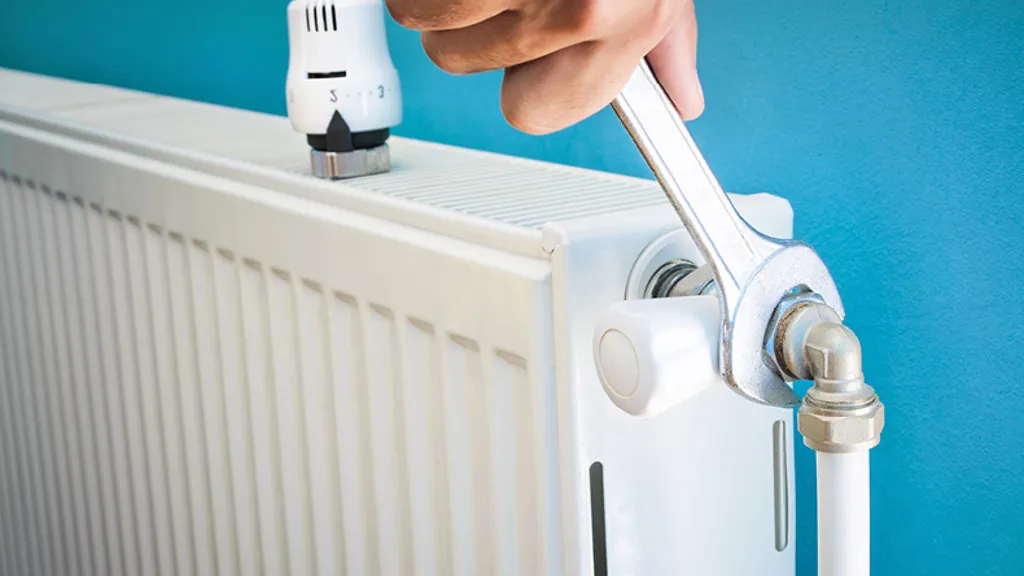
Turn off the boiler and isolate the fill-valve if possible. For minor leaks at joints, dry the area, apply plumber’s tape or sealant temporarily, and tighten fittings with a wrench—avoid over-tightening plastic components. Check system pressure (aim for 1-1.5 bar cold) via the gauge and top up if low using the fill-up valve. Persistent leaks require a professional repair to prevent mould build up in humid Melbourne conditions.
Problem 2: Cold Spots in Rooms
Cold spots occur from trapped air blocking hot water flow, sludge buildup, unbalanced zones, or poor underfloor insulation, common in renovated Victorian terraces. Bare feet reveal uneven floors or radiators cold at the top.
Bleed radiators starting from the lowest: insert a key into the valve, tilt to release air until steady water flows, then close. Walk the room barefoot to map cold spots in heated floors, check manifold valves are open evenly and boost pump speed temporarily. Balance by adjusting lockshield valves on radiators (turn clockwise on hot radiators to send excess flow elsewhere). Sludge requires flushing—add inhibitor if accessible.
Problem 3: Thermostat Issues
Thermostats fail from dead batteries, wiring faults, poor placement near windows, or dust, causing no heat or short cycling in zoned setups. No response despite high settings indicates trouble.
Replace batteries first, then raise setpoint to max (e.g., 32°C) and listen for clicks activating relays. Relocate (wireless models) if near drafts for accurate readings. Persistent issues mean faulty zone valves or wiring, needing an electrician or plumber.
Problem 4: Noisy Pipes or Radiators
Gurgling, banging, or ticking signals air pockets, water hammer from fast flow, or loose clips or pipework rubbing against plaster or timber. Melbourne’s hard water accelerates scale noise.
Bleed all radiators to expel air. Slow pump speed via control panel if adjustable. Secure loose pipes with clips or foam sleeves; drill larger holes if pipes rub against plasterboard or timber. Add inhibitor to reduce scale—dose per system volume. If banging persists, check expansion vessel pressure matches system (around 1 bar).
Problem 5: Low System Pressure
Pressure below 1 bar from leaks, over-bleeding, or faulty valves, causes a lack of flow and a drop in efficiency. The gauge on the boiler will show the reading.
Locate the fill-up valve, open valve slowly until 1.2-1.5 bar cold, then close. Monitor for 24 hours—if drops, hunt small leaks with a moisture meter. Avoid overfilling to prevent relief valve drips. Annual checks prevent recurrence.
Problem 6: Boiler Not Firing Up
No ignition from power loss, low pressure, blocked pilot, or thermostat signal failing causes the boiler to stay cold despite demand.
Reset via button on boiler; check fuse, power switch, and gas supply. Repressurise water level if low. Clean pilot tip if visible; relight per manual. Verify zone valves open (loose handle) and end switches engage. Error codes? Consult boiler manual.
Problem 7: Sludge Buildup and Reduced Efficiency
Sludge from corrosion clogs pipes, causing cold radiator bottoms, high bills, and boiler strain in untreated systems. Brown water whilst bleeding radiators confirms this.
Drain and flush: isolate boiler, open drain cock, drain system water out then refill with fresh water and inhibitor. Test water quality annually.
And finally, the best tip of all...
Regular DIY checks extend life, but Melbourne’s regulations mandate licensed professionals for gas/boiler work for safety and to avoid fines. Booking an annual service through Hydronix is the best way to avoid any problems with your system.